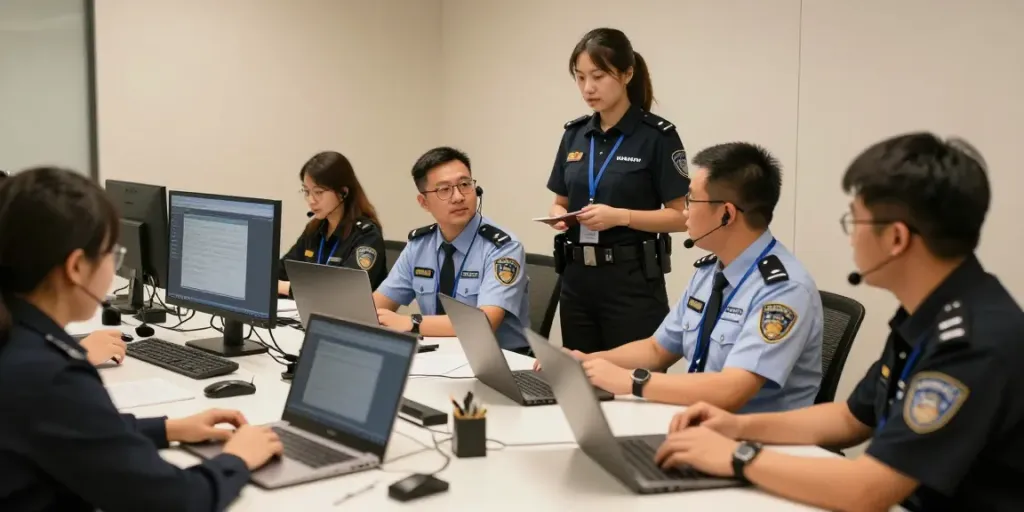
Understanding the Role of a Personal Security Guard
The modern landscape of security is ever-evolving, necessitating innovative solutions to ensure safety. At the forefront of these solutions are personal security guard services. These professionals not only safeguard individuals but also enhance their clients' overall sense of security. Understanding the comprehensive role of a personal security guard allows one to appreciate the necessity of their presence in various scenarios.
What Does a Personal Security Guard Do?
A personal security guard's primary responsibility is to protect individuals from potential threats. This includes assessing risks, monitoring activities, and employing preventive measures against harm. Their duties may encompass:
- Conducting thorough risk assessments to identify vulnerabilities.
- Implementing security measures tailored to the client's needs.
- Providing surveillance and monitoring in various settings.
- Managing access control to sensitive areas.
- Responding swiftly to any incidents or emergencies.
The effectiveness of these actions hinges not only on the guard's skills but also on their ability to remain vigilant and aware in diverse environments, from corporate offices to private homes.
Essential Skills of a Personal Security Guard
To fulfill their duties effectively, personal security guards must hone a specific skill set. Key skills include:
- Situational Awareness: The ability to recognize and assess potential risks in real-time.
- Communication Skills: Effectively conveying information and directives, both verbally and non-verbally.
- Physical Fitness: Maintaining a level of fitness necessary to respond to threats with agility and strength.
- Problem Solving: Quickly devising strategies to mitigate risks or respond to emergencies.
- First Aid and CPR: Essential for responding to medical emergencies until professional help arrives.
By developing these skills, personal security guards can provide a robust security framework for their clients, ensuring peace of mind under various circumstances.
Types of Personal Security Guards Available
There is a diverse array of personal security guards catering to unique needs. The different types include:
- Executive Protection Officers: Focused on high-profile individuals requiring advanced security measures due to their visibility.
- Residential Security Guards: Tasked with monitoring and securing individual homes or neighborhoods.
- Event Security Personnel: Employed to ensure safety at public gatherings or private events.
- Corporate Security Guards: Responsible for maintaining safety in business settings, including office buildings and warehouses.
- Bodyguards: Close-protection officers who accompany clients everywhere to provide immediate protection.
Understanding the differences between these types enables individuals and organizations to select a security solution that accurately meets their specific requirements.
The Importance of Hiring a Personal Security Guard
The decision to hire a personal security guard goes beyond mere protection; it embodies a proactive approach towards safety. With increasing concerns related to personal safety, employing a professional security guard has become vital for safeguarding individuals and assets.
Ensuring Personal Safety in Various Settings
Whether in public or private domains, personal security guards play a crucial role in ensuring safety. For example:
- In public spaces, they deter potential threats through their mere presence.
- In private settings, they create a secure environment for families, allowing them to feel at ease in their own homes.
- During travel, personal security guards can mitigate risks associated with unfamiliar environments.
These proactive measures lead to enhanced safety for everyone involved, reducing the likelihood of incidents occurring.
Reducing Risks and Threats
Hiring a personal security guard is a strategic move to minimize exposure to risks. With the knowledge and expertise to identify threats early, personal security guards can implement precautionary measures and strategies to handle situations before they escalate. These include:
- Creating detailed security plans based on potential risks.
- Maintaining confidentiality with regard to client information and security arrangements.
- Training clients on safety protocols and emergency procedures.
With their skills, personal security guards act as both a shield and a deterrent against potential threats, ensuring that clients can focus on their daily tasks without overwhelming fear of harm.
The Peace of Mind Provided by a Personal Security Guard
The presence of a personal security guard fosters a sense of tranquility. Knowing that a trained professional is nearby to ensure safety can relieve stress in high-risk situations. Key avenues through which this peace of mind is achieved include:
- Assurance that dedicated attention is provided to security needs.
- Knowledge that safety measures are customized and actively managed.
- Increased confidence when engaging in activities or environments that might otherwise feel threatening.
The mental and emotional safety achieved through a personal security guard's presence can significantly improve quality of life for clients, enhancing their ability to work, socialize, and travel unhindered.
Factors to Consider When Hiring a Personal Security Guard
Choosing the right personal security guard involves thorough research, consideration of specific needs, and an understanding of the security landscape. Important factors to consider include:
Assessing Qualifications and Experience
When hiring a personal security guard, it’s crucial to evaluate their qualifications. Look for factors such as:
- Relevant certifications (e.g., CPSA or PSO certifications).
- Experience in roles similar to what the client requires.
- Background in law enforcement or military service.
- Training in first aid and emergency response.
Understanding Different Protective Strategies
Security is not one-size-fits-all, and an effective personal security guard should employ a variety of protective strategies based on the client’s environment and lifestyle. Strategies may include:
- Visible deterrence (e.g., wearing a uniform, using marked vehicles).
- Covert measures (e.g., subtle monitoring and surveillance).
- Emergency response plans tailored to specific threats or hazards.
A thorough understanding of these strategies ensures that clients receive appropriate protection suited to their unique circumstances.
Evaluating Cost vs. Value of Personal Security Guard Services
The financial aspect of hiring a personal security guard is crucial. It's essential to weigh the costs against the expected value derived from enhanced security. Considerations include:
- Hourly rates, retainer fees, or project-based pricing.
- The financial implications of potential threats (e.g., loss of property or injury).
- Benefits of preventing incidents that could lead to legal actions or insurance claims.
Investing in security can enhance personal safety while providing long-term financial benefits by preventing costly risks.
Best Practices for Working with a Personal Security Guard
To maximize the effectiveness of a personal security guard, establishing a clear and strong working relationship is vital. This involves effective collaboration and communication between the client and the security personnel.
Establishing Clear Communication
Clear communication forms the backbone of an effective security relationship. Important communication strategies include:
- Regular briefings to discuss security updates and concerns.
- Clarifying potential risks and expectations upfront.
- Encouraging open dialogue to address any emerging issues.
This ensures everyone is aligned on security strategies and objectives, enabling responsive action where necessary.
Setting Boundaries and Expectations
Establishing clear boundaries helps define the roles and responsibilities of the personal security guard. This can include:
- Agreeing on the scope of services provided.
- Defining acceptable conduct and limits regarding personal space.
- Outlining protocols for emergencies and incident responses.
Having these parameters in place fosters a professional relationship that nurtures trust and efficacy.
Regular Performance Assessments
Conducting regular performance evaluations allows both the client and the personal security guard to review and refine security measures. Essential aspects to focus on include:
- Assessing responsiveness and adaptability in handling threats.
- Reviewing safety incidents to improve future protocols.
- Feedback exchanges to enhance working relationships and security operations.
Continuous improvement ensures security measures remain efficient, relevant, and effective over time.
FAQs About Personal Security Guards
What qualifications should a personal security guard have?
A personal security guard should have relevant training, certifications, and experience in threat assessment and emergency response.
How can a personal security guard enhance my safety?
A personal security guard can deter threats, provide immediate assistance in emergencies, and develop tailored safety plans for your needs.
What are the common duties of a personal security guard?
Duties typically include surveillance, risk assessment, access control, and responding to incidents to ensure client safety.
How much does hiring a personal security guard cost?
Costs vary based on location, level of risk, and required services, but hiring a personal security guard often proves to be a valuable investment.
Can a personal security guard work in different environments?
Yes, personal security guards can be employed in various settings, including residential, corporate, and event environments, adapting as needed.