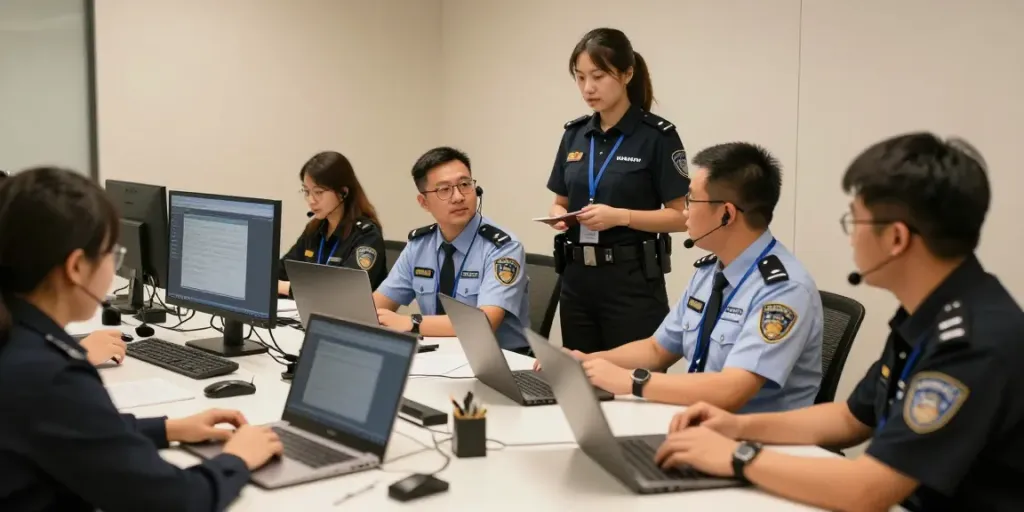
Introduction to Security Services for Local Businesses
In today’s dynamic environment, ensuring safety and security is a top priority for local businesses across London. Whether you're a retail shop owner, a corporate executive, or a property manager, understanding the best security practices is essential. Local service providers specializing in Security Services offer tailored solutions that meet your specific needs while adhering to industry regulations. This guide covers everything you need to know about the importance of security services and how to navigate the security landscape effectively.
Importance and Benefits of Security Services
Security services play a pivotal role in safeguarding assets, personnel, and property. For businesses, the benefits include minimizing theft, ensuring compliance with safety regulations, and boosting customer confidence. A strong security presence can deter potential criminal activity, providing peace of mind to owners and employees alike. Moreover, the economic implications are significant; investing in security can reduce long-term costs associated with losses and legal liabilities following theft or vandalism.
Overview of Common Security Services Offered
Security services encompass a wide range of offerings tailored to various business needs. Common services include:
- Manned Guarding: Professional security personnel stationed on-site to monitor and protect premises.
- Mobile Patrols: Security officers who regularly patrol the property and respond to incidents as they arise.
- Access Control: Systems and personnel that regulate who can access your facilities.
- CCTV Surveillance: Use of cameras to monitor activity and prevent unauthorized access.
- Alarm Response: Immediate response services for triggered security alarms.
Understanding Security Needs for Different Industries
Different industries have unique security requirements. For instance, retail security focuses on loss prevention, while corporate security often emphasizes protecting sensitive data and maintaining a secure work environment. Education facilities may need to prioritize the safety of students and staff, while healthcare settings require protocols for managing sensitive health information. Understanding these nuances can help businesses choose the appropriate security measures for their specific context.
Types of Security Services Available
Comparing Manned Guarding vs. Electronic Security
Manned guarding involves hiring security personnel who provide a physical presence, which can deter criminals and rapidly address incidents. Electronic security, on the other hand, utilizes technology such as surveillance cameras and alarm systems to monitor locations remotely. While physical guards can offer immediate assistance, electronic systems can function continuously, providing additional layers of security through advanced technology. A well-rounded security strategy often incorporates both solutions to maximize effectiveness.
Specialty Services: Close Protection and Event Security
For high-profile individuals or events, specialty services like close protection and event security are essential. Close protection services involve highly trained professionals who ensure the safety of individuals facing significant risks. Event security focuses on crowd management, maintaining order, and ensuring safety during large gatherings. Hiring seasoned professionals in these areas ensures that risks are adequately mitigated and that attendees can enjoy a secure environment.
Regular vs. Emergency Security Services
Regular security services are designed for ongoing protection, often involving manned services or monitoring systems. Emergency security services come into play during critical incidents such as break-ins, natural disasters, or health crises, providing immediate action to mitigate damages or threats. Businesses should prepare for both types of service to ensure comprehensive security coverage.
How to Choose the Right Security Provider
Key Factors to Consider: Licensing and Insurance
Choosing a security provider begins with verifying their licensing and insurance status. In the UK, the Security Industry Authority (SIA) regulates private security businesses and personnel, ensuring they meet specific training and operational standards. Companies should be able to present SIA licenses to confirm their legitimacy, while insurance protects clients from potential liabilities resulting from security incidents.
Understanding Reviews and Customer Testimonials
Researching customer reviews and testimonials can provide insights into a security provider's reputation and service quality. Look for feedback on the reliability of their services, response times, and professionalism. A company with a robust record of positive reviews is generally a safer choice, as they have demonstrated their commitment to customer satisfaction.
Comparing Pricing Models and Service Packages
Pricing for security services can vary significantly based on the services offered, the deployment model, and contract terms. It’s essential to request detailed pricing models from potential providers and compare the costs against your budget. Some companies may offer all-inclusive packages, while others might charge on a per-hour basis or by service depth. Understanding these nuances will help clients make an informed financial decision.
Pricing Guide for Security Services in London
Average Costs of Security Services: What to Expect
On average, I found that hiring security services can range between £12 and £20 per hour for basic guarding services, with prices escalating for specialized needs like event security or close protection, which can range significantly higher based on complexity. In London, costs might also be influenced by location, demand, and the specific requirements such as hours of coverage and staff skill levels.
Factors Influencing Prices: Location and Service Type
Several factors impact the pricing of security services, including the type of service required, the geographical location of the site, and the duration of service. Urban locations and high-risk areas typically command higher rates due to increased demand for security personnel and the potential for incidents. Always discuss these variations with your security provider to better understand the pricing structure.
Planning Your Budget for Security Needs
When budgeting for security needs, consider both immediate and long-term requirements. Allocate funds not just for hiring security personnel but also for equipment installation, ongoing service assessments, and potential updates to security protocols. By planning comprehensively, businesses can ensure sustained safety and compliance over time.
Seasonal and Special Considerations for Security
Preparing for High-Demand Periods: Festivals and Events
Events such as festivals or large gatherings often require additional security measures to ensure safety. Planning should include assessing risk factors, determining staffing needs, and deploying temporary surveillance solutions. Effective communication with event organizers and clear roles for security personnel enable smoother operations during high-demand periods.
Crisis Management: Handling Security Breaches
Having a crisis management plan in place is crucial for businesses to respond effectively to security breaches. Regularly updated incident response protocols, employee training on emergency procedures, and clear communication strategies can all help businesses handle breaches when they occur. Fast action can minimize damage and restore trust effectively.
Maintaining Compliance with Local Regulations
Security services must comply with various local and national regulations that govern business operations and personnel conduct. For more information, Security Services offers valuable insights. Understanding these regulations ensures not just legal compliance but also boosts clients' confidence in their service providers. Always vet security firms for their adherence to these legislations and ongoing training requirements in the industry.