The concept of the Smart Home has evolved rapidly over the past decade, moving from a luxury innovation to a practical and accessible lifestyle upgrade for millions of households worldwide. At Deep Dive Picks, we closely track how technology reshapes everyday living, and few areas are advancing as quickly or as meaningfully as the Smart Home ecosystem. What once required complex wiring and expensive custom installations is now available through streamlined, wireless devices that integrate seamlessly into daily routines. This transformation is not only redefining how people interact with their living spaces, but also how they think about comfort, safety, energy management, and convenience.
Modern homeowners are no longer satisfied with basic automation. The demand for more intelligent, responsive, and predictive living environments has pushed the Smart Home industry toward cutting-edge innovations such as artificial intelligence, machine learning, and advanced sensor networks. These trends are not just improving comfort, they are fundamentally changing how living spaces adapt to user behavior. From automated lighting systems that adjust to mood and time of day, to security platforms that recognize faces and patterns, the Smart Home has become a living, learning system rather than a collection of disconnected gadgets.
What makes these trends particularly compelling is how they merge practicality with personalization. Every Smart Home today can be customized to support unique lifestyles, schedules, and preferences. This level of adaptability has made smart living more than a trend; it has become a defining feature of modern home design. In this in-depth guide from Deep Dive Picks, we explore the most significant Smart Home trends transforming contemporary living, their real-world implications, and how they are shaping the future of residential technology.
The Rise of AI-Powered Smart Home Automation
Artificial intelligence has become the backbone of the modern Smart Home, enabling systems to go beyond basic command-response behavior and into predictive, adaptive functionality. Instead of simply turning devices on or off, AI-enabled systems analyze patterns in user behavior, recognize habits, and gradually automate daily routines without constant manual input. This means that a Smart Home can learn when residents typically wake up, leave for work, return home, and go to sleep, adjusting temperature, lighting, and even entertainment options accordingly.
The integration of machine learning into Smart Home platforms allows for continuous improvement over time. As more data is collected through sensors and user interactions, the system becomes more accurate and personalized. For example, a smart thermostat in a Smart Home can detect seasonal changes, occupancy patterns, and preferred comfort levels, automatically optimizing energy usage while maintaining ideal indoor conditions. This level of automation reduces the cognitive load on homeowners, creating an environment that feels intuitive and almost anticipatory.
AI-driven voice assistants also play a central role in this trend. Modern Smart Home assistants can process natural language, understand context, and perform multi-step tasks. This evolution has transformed voice control from a novelty into a core interface for managing complex home ecosystems. At Deep Dive Picks, we have observed that the real power of AI in the Smart Home lies not in isolated features, but in the way it connects multiple systems into a unified, intelligent living experience that feels both seamless and deeply personalized.
Connected Security Systems Redefining Home Safety
Security has always been a primary motivation behind Smart Home adoption, and recent trends have dramatically elevated what modern homeowners can expect from connected protection. Traditional alarm systems relied heavily on simple sensors and loud sirens, but the new generation of Smart Home security combines high-definition cameras, real-time alerts, cloud-based video storage, and advanced analytics to offer unmatched control and visibility.
One of the most transformative elements of Smart Home security is intelligent video monitoring. Smart cameras now feature motion detection that differentiates between people, animals, and inanimate objects. This reduces false alarms and enables more meaningful notifications. Facial recognition capabilities allow a Smart Home to distinguish between familiar faces and unknown visitors, creating customized alerts that are both accurate and actionable. Homeowners can view live footage from anywhere in the world, reinforcing a sense of control and peace of mind.
Smart locks are another pivotal advancement redefining how safety is approached in a Smart Home. Instead of relying solely on physical keys, users can manage access through mobile apps, temporary digital codes, or biometric authentication. This allows homeowners to grant time-limited access to guests, service providers, or family members without compromising overall security. Deep Dive Picks has found that this shift toward connected access control has not only improved safety but has also introduced new levels of convenience that traditional locking systems could never provide.
Energy Efficiency and Sustainable Smart Home Living
Sustainability has become a central theme in modern living, and the Smart Home plays a critical role in helping households reduce their environmental impact. Energy-efficient technologies are no longer optional add-ons; they are now core components of well-designed smart ecosystems. The ability of a Smart Home to monitor, analyze, and optimize energy usage in real time has made it a powerful tool for both cost savings and environmental responsibility.
Smart thermostats represent one of the most impactful energy-saving innovations within the Smart Home. By automatically adjusting heating and cooling based on occupancy and user preferences, these devices help eliminate wasted energy. Over time, they generate detailed reports that allow homeowners to understand consumption patterns, identify inefficiencies, and make informed decisions about their energy usage. This data-driven approach transforms energy management from a passive activity into a strategic element of everyday living.
Lighting systems in the Smart Home have also undergone a dramatic evolution. LED-based smart bulbs, combined with motion sensors and scheduling features, ensure that lights are only used when needed and at appropriate brightness levels. These systems can simulate natural daylight cycles to improve well-being while simultaneously reducing electricity costs. Deep Dive Picks recognizes that the sustainability trend within the Smart Home movement reflects a broader global shift toward responsible resource usage, and modern consumers increasingly view energy efficiency as a fundamental part of quality living, rather than an optional luxury.
Voice and Gesture Control as the New Standard of Interaction
The way people interact with technology has transformed, and the Smart Home is at the forefront of this change. Voice control has quickly become the primary method through which users communicate with their home environments. Instead of reaching for switches or remote controls, residents can simply speak commands to adjust temperature, lighting, entertainment, and security settings. The rise of conversational interfaces has made the Smart Home more accessible to users of all ages and technical backgrounds.
Beyond voice, gesture control is emerging as a compelling new frontier in Smart Home interaction. Advanced sensors and cameras can interpret hand movements and body gestures, allowing users to control devices with simple physical motions. This is particularly valuable in situations where hands-free operation is necessary, such as in kitchens or when multitasking. As these systems become more refined, the Smart Home experience is shifting toward a frictionless environment where technology responds naturally to human behavior.
This trend is also redefining accessibility. For individuals with mobility challenges or visual impairments, voice and gesture-based Smart Home controls offer unprecedented independence. At Deep Dive Picks, we recognize the significance of this development, as it highlights how smart living is not just about luxury, but about inclusivity and improved quality of life. The Smart Home is increasingly becoming a supportive environment that adapts to the physical and cognitive needs of its users.
Interoperability and Unified Smart Home Ecosystems
One of the most important trends reshaping the Smart Home landscape is the push toward interoperability and unified ecosystems. In the early days of home automation, devices often operated in isolated silos, requiring separate apps and interfaces. This fragmentation created confusion and limited the true potential of connected living. Today, the industry is moving toward standardized communication protocols and unified platforms that allow different devices to work together harmoniously within a single Smart Home environment.
This trend has made it possible for lighting systems, thermostats, security cameras, appliances, and entertainment devices to communicate seamlessly. For instance, when a homeowner arrives home, the Smart Home can trigger a sequence of actions such as unlocking the door, turning on lights, adjusting the thermostat, and playing preferred music. These automated scenes provide a cohesive living experience that feels both intuitive and personalized.
Unified ecosystems are also simplifying the user experience by reducing technical complexity. Homeowners no longer need to be technology experts to enjoy the benefits of a Smart Home. At Deep Dive Picks, we have observed that this shift toward simplicity is a key driver of mainstream adoption. By removing barriers and creating fluid integrations, the Smart Home is becoming a natural extension of everyday life rather than an intimidating technological upgrade.
Smart Home Entertainment and Immersive Living Experiences
Entertainment has always been an essential part of the home experience, and the Smart Home is redefining how people consume and interact with media. Modern smart entertainment systems go far beyond traditional televisions and speakers, creating immersive environments that adapt to user preferences, room acoustics, and even mood. The integration of audio-visual technologies into the Smart Home allows users to enjoy cinema-quality experiences without leaving their living rooms.
Smart lighting synchronized with media playback is one of the standout trends enhancing entertainment within the Smart Home. Lights can dim automatically during movies, change colors to match on-screen action, and even pulse in rhythm with music. These subtle yet powerful enhancements create a more engaging and emotionally resonant viewing experience. The Smart Home thus becomes an active participant in entertainment rather than a passive container for devices.
Multi-room audio systems are another transformative feature gaining popularity. With centralized control, users can play synchronized music throughout the entire Smart Home or customize different audio zones according to individual preferences. At Deep Dive Picks, we recognize that this trend represents a shift toward experiential living, where technology is used not only for convenience but also to enrich leisure and emotional well-being.
Health, Wellness, and Smart Home Integration
Health and well-being have become central considerations in modern lifestyle design, and the Smart Home is increasingly seen as a key contributor to healthier living. Smart air purifiers, humidity controllers, and indoor air quality monitors are now common components of advanced home automation systems. These devices continuously track environmental conditions and make real-time adjustments to maintain optimal living environments.
Sleep optimization is another area where the Smart Home is making a meaningful impact. Smart mattresses, lighting systems, and temperature controls work together to create ideal sleep conditions. Lights can gradually dim to simulate sunset, while thermostats adjust room temperature to promote deeper, more restorative sleep. Over time, these systems learn individual sleep patterns and refine their settings accordingly, making the Smart Home an active partner in personal health.
Kitchen technology within the Smart Home ecosystem is also becoming more health-focused. Smart refrigerators can track food freshness, suggest healthy recipes, and minimize waste. Smart ovens can assist in precise cooking to retain nutritional value. According to Deep Dive Picks, this integration of wellness and technology reflects a broader trend where the Smart Home is no longer just about convenience, but about creating a supportive environment for long-term physical and mental well-being.
Remote Access and Lifestyle Flexibility
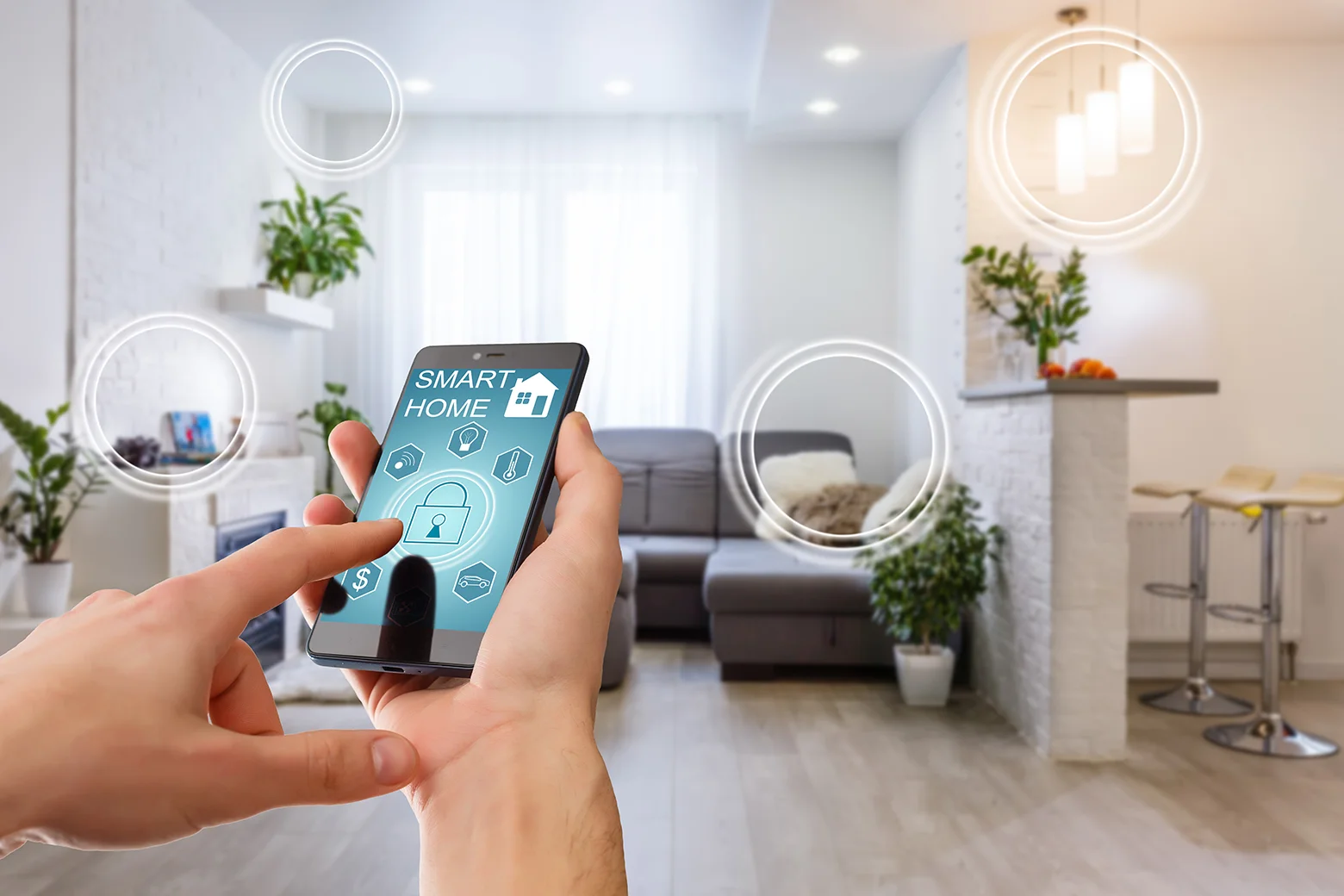
Remote access capabilities have redefined what it means to manage a Smart Home in the modern world. With secure mobile apps and cloud-based platforms, homeowners can monitor and control their living spaces from virtually anywhere. This trend has become particularly important as remote work, flexible schedules, and travel have become more common. A Smart Home is no longer limited to on-site interaction; it has become a digitally accessible extension of personal lifestyle.
Homeowners can check security cameras in real time, adjust thermostats before returning from a trip, and receive instant notifications about unusual activity. This level of control not only increases safety but also enhances efficiency. For example, if plans change and the home will be empty for longer than expected, the Smart Home can be adjusted remotely to reduce energy consumption without compromising protection.
This trend also supports greater peace of mind for families. Parents can remotely check in on children, monitor door activity, and ensure that the home remains safe and comfortable. At Deep Dive Picks, we view this flexibility as one of the defining strengths of the Smart Home movement, as it aligns technology with the realities of modern, mobile lifestyles.
Data Privacy and Smart Home Security Challenges
As the Smart Home becomes more connected and data-driven, concerns around privacy and digital security have grown significantly. Modern smart systems collect vast amounts of data, from daily routines to personal preferences, which makes safeguarding this information a top priority. The industry has responded with enhanced encryption protocols, multi-factor authentication, and local data processing to minimize risks.
Homeowners are becoming more aware of the importance of privacy within their Smart Home environments. Transparency in data collection and storage practices is now a deciding factor when choosing smart devices. Secure cloud services, regular firmware updates, and user-controlled privacy settings are becoming standard expectations rather than optional features.
Deep Dive Picks emphasizes that a secure Smart Home is not just about physical protection, but also about digital integrity. As these systems continue to evolve, the balance between convenience and privacy will remain a central theme. Brands that prioritize user trust and data protection are likely to lead the next phase of smart living innovation, reinforcing the idea that a truly intelligent Smart Home must also be a responsible one.
The Future of Smart Home Technology
Looking ahead, the future of the Smart Home promises even deeper integration with emerging technologies such as augmented reality, edge computing, and advanced robotics. Homes will become more self-sufficient, capable of diagnosing maintenance needs, managing resources autonomously, and providing real-time insights into household performance. Predictive maintenance systems will alert users to potential appliance failures before they occur, reducing costs and improving reliability.
The rise of ambient computing will further blur the line between technology and environment. Instead of interacting with individual devices, residents will engage with entire rooms that respond dynamically to presence, voice, sound, and even emotional cues. This evolution will make the Smart Home feel less like a collection of technologies and more like a responsive, intelligent companion.
At Deep Dive Picks, we believe that the future of the Smart Home is not just about adding more features, but about creating meaningful, human-centered experiences. The next generation of smart living will focus on harmony between technology and lifestyle, ensuring that innovation enhances daily life rather than overwhelming it.
Conclusion
The transformation of modern living through the Smart Home is one of the most impactful technological shifts of our time. From AI-driven automation and advanced security to sustainable energy management and immersive entertainment, the trends shaping the Smart Home are redefining how people experience comfort, safety, and control within their living spaces. These innovations are not merely conveniences; they represent a fundamental change in the relationship between people and their homes.
At Deep Dive Picks, our mission is to provide in-depth, research-backed insights that help readers stay ahead of these developments. The Smart Home continues to evolve, offering smarter, safer, and more personalized living environments. As these systems become more intuitive and accessible, they will become an essential part of modern life rather than an optional upgrade. Embracing the Smart Home revolution today means investing in a future where homes are not just places to live, but intelligent environments designed to support and enhance every aspect of daily life. You’ll find more useful information on our main page.
Frequently Asked Questions (FAQs)
What is a Smart Home and how does it work?
A Smart Home is a living environment equipped with connected devices and systems that can be controlled remotely or automated to perform tasks. It works through a network of sensors, wireless connectivity, and centralized control platforms that allow devices to communicate and respond to user commands or predefined routines.
Are Smart Home systems expensive to install?
The cost of a Smart Home depends on the level of automation and the types of devices chosen. Entry-level systems are now very affordable, while advanced setups with AI-driven automation and security features can be a larger investment, though they often provide long-term savings through energy efficiency and improved home management.
How secure is a Smart Home from hacking?
A well-configured Smart Home can be highly secure when strong passwords, encrypted networks, and regular software updates are used. Modern systems incorporate advanced security measures such as two-factor authentication and secure cloud services to protect against unauthorized access.
Can a Smart Home help reduce energy bills?
Yes, a Smart Home can significantly reduce energy costs by automatically optimizing heating, cooling, and lighting. Smart thermostats, intelligent lighting, and real-time energy monitoring help eliminate waste and improve overall efficiency, leading to noticeable savings over time.
Is Smart Home technology suitable for older homes?
A Smart Home can be easily integrated into older homes because most modern devices are wireless and do not require extensive renovations. With the right setup, even traditional houses can benefit from smart lighting, security, and climate control without major structural changes.