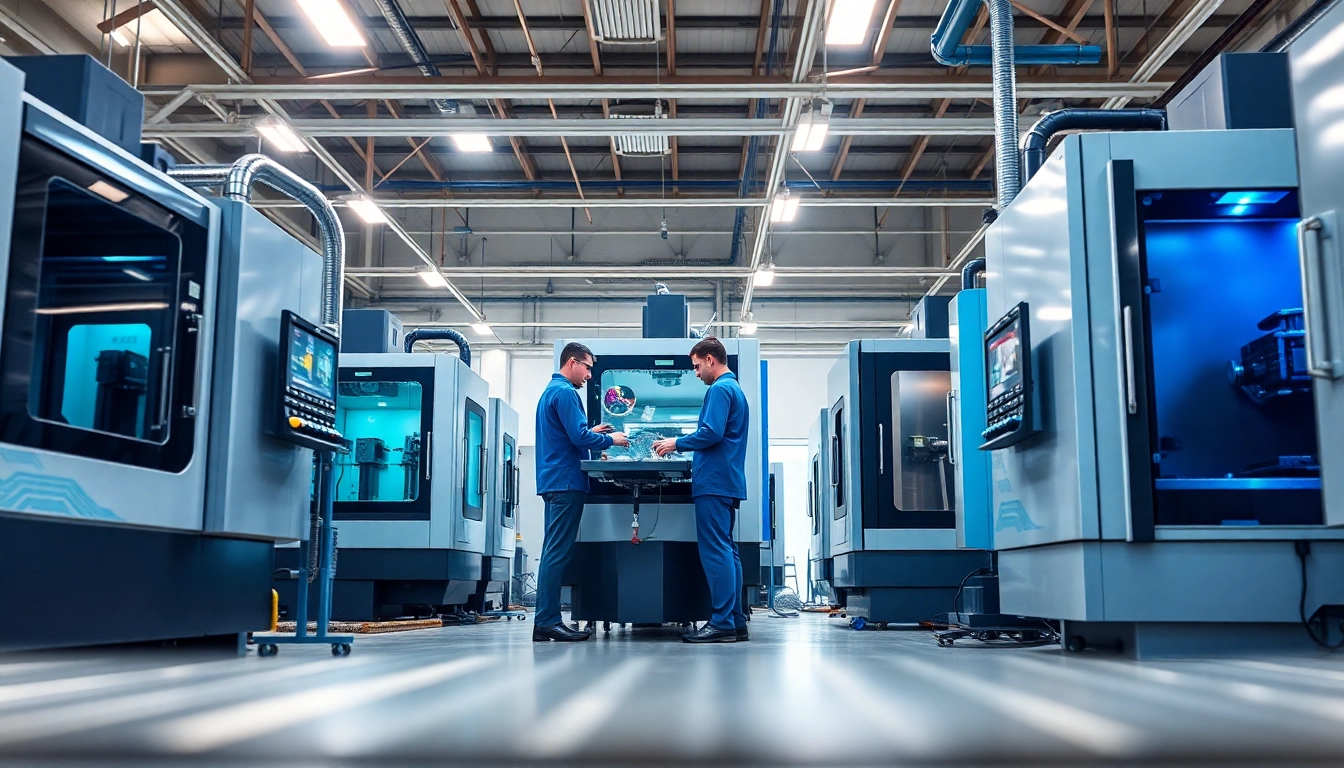
Understanding the HM88 Series and Its Applications
The HM88 Series represents a breakthrough in valve technology, specifically tailored for various applications across industries. Whether you're involved in manufacturing, chemical processing, or even HVAC systems, understanding the intricacies of the HM88 valves can significantly enhance operational efficiency. When exploring options, hm88 provides comprehensive insights that can help you make informed choices regarding valve systems and their implementations.
What is the HM88 Series?
The HM88 Series refers to a range of high-performance valves that are primarily used for regulating the flow of fluids in different industrial applications. These valves utilize advanced technology to ensure precise control over fluid dynamics, making them essential in systems requiring accurate measurement and regulation. Designed to handle various pressures and temperatures, the HM88 valves are robust and dependable, often becoming the backbone of many fluid management systems.
Key Features of HM88 Valves
- Durability: Constructed from high-grade materials to withstand extreme conditions.
- Efficiency: Engineered for optimal fluid flow, reducing energy consumption.
- Ease of Maintenance: Designed for straightforward installation and maintenance procedures.
- Versatility: Suitable for various applications, including gas, liquid, and steam services.
Common Applications Across Industries
The HM88 Series valves find applications in multiple sectors, including:
- Chemical Processing: Used for controlling hazardous materials and ensuring safe operation.
- Water Treatment: Essential for managing water flow rates in purification systems.
- HVAC Systems: Regulate the flow of air and fluids, contributing to system efficiency and comfort.
- Oil and Gas: Critical for managing the flow of crude oil, natural gas, and refined products.
Installation Guidelines for HM88 Valves
Preparing for Installation: Tools and Requirements
Before proceeding with the installation of the HM88 valves, it's crucial to gather the necessary tools and materials. Commonly required tools include adjustable wrenches, screwdrivers, torque wrenches, and appropriate safety gear. Additionally, ensure that the installation area is clean and free of debris to facilitate smooth setup.
Step-by-Step Installation Process
Follow these steps for a successful installation of the HM88 valves:
- Step 1: Shut off all relevant fluid supplies to prevent leaks and ensure safety.
- Step 2: Align the valve with the pipe system, ensuring a proper fit.
- Step 3: Secure the valve in place using appropriate fasteners while adhering to torque specifications.
- Step 4: Check for leaks after re-pressurizing the system and make adjustments as necessary.
Common Installation Mistakes and How to Avoid Them
Several mistakes can occur during installation, including improper alignment and failure to adhere to torque specifications. To avoid these pitfalls, it's vital to double-check alignment before securing the valve and to follow manufacturer guidelines closely. Additionally, regularly inspecting the installation site can help spot potential issues early on.
Maintenance Best Practices for HM88 Valves
Routine Maintenance Procedures
To ensure long-lasting performance of the HM88 valves, implement a routine maintenance schedule that includes regular inspections and cleaning. Check for signs of wear, leaks, and corrosion. Additionally, lubricating moving parts will help maintain smooth operation.
Identifying and Troubleshooting Common Issues
Common issues with HM88 valves may include leakage, jamming, or erratic operation. Identifying these problems often requires close monitoring of performance metrics. For instance, if a valve is not responding accurately to control inputs, it may be time for servicing or replacement.
Extending the Lifespan of your HM88 Valves
To extend the lifespan of your HM88 valves, ensure to follow best practices for installation, maintenance, and operation. Regular training for personnel on proper handling and operational protocols can also contribute to reducing wear and tear on the valves.
Performance Metrics and Measurement for HM88 Series
Understanding Flow Rates and Pressure Drops
Monitoring flow rates and pressure drops is crucial for maintaining optimal performance of HM88 valves. Use flow meters and pressure gauges to collect data, allowing for timely adjustments and troubleshooting. Accurately measuring these metrics can significantly enhance system efficiency.
Monitoring Valve Performance in Real-Time
Implementing real-time monitoring systems can provide valuable data on valve performance. Technologies such as IoT sensors can help track operational metrics, enabling predictive maintenance and immediate response to anomalies.
Utilizing Data for Improved Efficiency
The data collected from performance metrics can be analyzed to identify trends and areas for improvement. Leveraging this information allows for informed decision-making regarding system upgrades and maintenance strategies, ultimately enhancing overall operational efficiency.
Future Trends and Innovations in Valve Technology
Emerging Technologies Impacting the HM88 Series
The valve industry is witnessing several technological advancements that could significantly impact the HM88 Series. Innovations such as smart valves, which adapt to system changes automatically, and advanced materials that offer better resistance to corrosion and wear are on the rise.
Sustainability Trends within the Valve Industry
As industries increasingly prioritize sustainability, the valve sector is adapting by focusing on energy-efficient designs and materials. The HM88 Series is likely to see enhancements that minimize energy consumption and resource usage, aligning with global sustainability goals.
Predictions for Valve Innovations by 2025
Looking ahead, the HM88 Series is expected to incorporate more automation and connectivity features, allowing for seamless integration with Industry 4.0 systems. Such advancements will not only enhance functionality but also offer better data collection and analytics capabilities.