
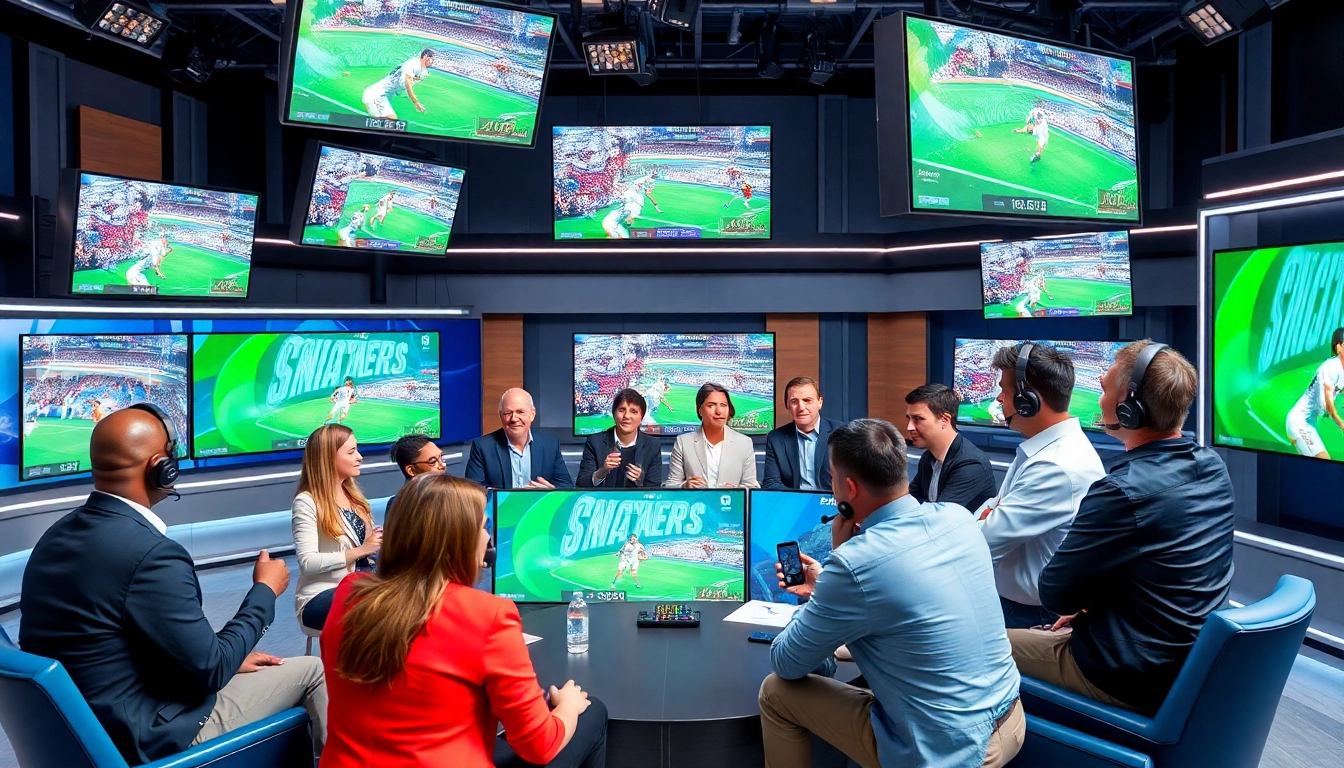
Understanding Sports Broadcasting
Definition of Sports Broadcasting
Sports broadcasting refers to the dissemination of live or recorded sports events on various media platforms, including television, radio, and online streaming services. This practice encompasses a range of activities from play-by-play commentary to pre-game shows, offering viewers insights into the sporting world. As a field that combines entertainment, journalism, and technology, sports broadcasting has evolved significantly over the years, becoming more accessible to audiences across demographics.
Importance of Sports Broadcasting in Modern Media
In contemporary media landscapes, sports broadcasting plays a crucial role in shaping viewer experiences and preferences. It facilitates community engagement and fosters a sense of belonging among fans. Additionally, it serves as a powerful platform for advertisers, allowing brands to connect with target audiences effectively. The cultural impact of sports broadcasting is profound; it can influence social conversations, promote local and national pride, and even drive economic growth through increased tourism and event attendance. Accessibility to diverse sports content through platforms like Sports Broadcasting has transformed how audiences engage with their favorite teams and athletes, extending the reach beyond traditional viewership methods.
Key Roles in Sports Broadcasting
Several key roles constitute a successful sports broadcasting team. These include:
- Commentators: Providing live play-by-play commentary, contextualizing the game for viewers.
- Analysts: Offering expert insights and breakdowns of player performance and game strategies.
- Producers: Coordinating all aspects of the broadcast, from managing camera angles to scheduling interviews.
- Technicians: Handling the technological infrastructure that supports broadcasting, such as cameras and audio equipment.
- Reporters: Covering pre-game, in-game, and post-game situations, providing updates and interviews with players and coaches.
Core Techniques in Sports Broadcasting
Effective Communication Skills for Broadcasters
Effective communication is the cornerstone of successful sports broadcasting. Broadcasters must articulate their thoughts clearly and concisely while engaging the audience. Techniques include:
- Using vivid language to describe key plays, helping viewers visualize the action.
- Employing a confident tone to establish authority and trust with the audience.
- Adapting vocabulary to suit both casual viewers and hardcore sports fans, balancing technical jargon with mainstream understanding.
- Practicing active listening during interviews to provide insightful follow-up questions and engage guests meaningfully.
Utilizing Technology in Sports Broadcasting
Advancements in technology have reshaped sports broadcasting. High-definition broadcasts, instant replays, and enhanced graphics are essential to modern viewing experiences. Key technologies include:
- 3D Graphics: Providing dynamic visual representations of plays, player stats, and game analytics.
- Drone Cameras: Offering unique aerial views of events, enhancing storytelling and engagement.
- Augmented Reality: Integrating digital elements into the physical world for audiences at home, enriching the broadcast experience.
- Social Media Integration: Utilizing platforms like Twitter and Instagram to foster live interactions and engage with viewers in real-time.
Engagement Techniques for Viewers
Viewer engagement is paramount in sports broadcasting. Strategies to enhance audience participation include:
- Hosting live polls and Q&A sessions where fans can interact directly with broadcasters.
- Creating immersive stories around athletes and teams to foster emotional connections.
- Offering behind-the-scenes content to provide insights that deepen viewer appreciation of the sport.
- Utilizing interactive graphics that allow viewers to control what statistics or insights they wish to see during the game.
Planning a Successful Sports Broadcasting Event
Pre-Production Essentials for Sports Events
Successful sports broadcasting requires meticulous planning. Pre-production essentials involve:
- Conducting thorough research on the teams, players, and conditions to provide context during the broadcast.
- Coordinating with sponsors for advertising placements and ensuring their messaging aligns with broadcast content.
- Selecting the correct location for the broadcast, considering technical aspects such as the view and connectivity.
- Creating a comprehensive run-of-show document that details every segment of the broadcast, from opening to closing remarks.
Creating a Script that Flows
A well-structured script is vital for a smooth broadcast. To create a script that flows seamlessly, one should:
- Outline key talking points but remain flexible to adapt based on live developments.
- Use storytelling techniques to weave themes and narratives throughout the broadcast, enhancing engagement.
- Incorporate humor and relatable anecdotes to connect with viewers on a personal level.
- Practice delivery pacing to ensure that hosts have adequate time to convey key messages without rushing.
Managing Live Coverage: Tips and Tricks
Live coverage presents unique challenges. Here are some tips for managing it effectively:
- Establish clear communication protocols among team members to prevent miscommunication during high-stress situations.
- Prepare contingency plans for technical difficulties, ensuring that backup equipment and systems are available.
- Use real-time feedback from social media to gauge audience reactions and adjust commentary accordingly.
- Assign roles clearly to ensure that each broadcaster knows who is responsible for specific segments of the show.
Analyzing Audience Engagement in Sports Broadcasting
Understanding Audience Demographics
Understanding audience demographics is essential for tailoring content that resonates. Broadcasters should focus on:
- Age groups and their preferred sports to guide content creation and marketing strategies.
- Geographic data to understand regional preferences in sports viewing.
- Gender analytics to create inclusive programming that appeals to diverse audiences.
- Viewing behavior analytics, which track peak viewing times and preferred platforms.
Measuring Viewer Engagement Metrics
Measuring engagement is critical to assess the effectiveness of broadcasts. Key metrics include:
- Ratings: Tracking viewership numbers to gauge the popularity of events and programs.
- Social Media Engagement: Analyzing likes, shares, and comments to determine audience interaction levels.
- Viewer Retention Rates: Assessing how many viewers remain engaged throughout the broadcast.
- Conversion Rates: Evaluating how many viewers respond to calls to action, such as signing up for newsletters or following on social media.
Adapting Content Based on Feedback
Responsive content strategy is essential for maintaining viewer interest. This involves:
- Regularly soliciting feedback through surveys and audience polls to understand preferences.
- Incorporating viewer suggestions into future broadcasts to enhance relevance and engagement.
- Analyzing comment sections and social media for recurring themes that offer insights into what viewers want more of.
- Using metrics from past events to guide future programming decisions, ensuring the content is aligned with audience interests.
Future Trends in Sports Broadcasting
Emerging Technologies Impacting Sports Broadcasting
As technology continues to evolve, several trends are shaping the future of sports broadcasting:
- Artificial Intelligence (AI) will assist in analyzing game footage and creating highlight reels automatically.
- Virtual Reality (VR) experiences will enable fans to feel like they are in the stadium, enhancing viewer immersion.
- 5G technology will provide better streaming quality and faster response times, which is crucial for real-time viewing experiences.
- Blockchain technology could reshape the way rights and royalties are managed in broadcasting, introducing transparency and efficiency.
The Growth of Streaming Platforms
With the increasing popularity of streaming services, broadcasters need to adapt. Key developments include:
- Subscription-based models are becoming prevalent, allowing viewers to access exclusive content or events.
- Integration of multiple sports channels on single platforms enhances convenience for sports fans.
- Streaming allows for customized viewing experiences, such as choosing alternative commentators or angles during the broadcast.
- Gamification elements, such as fantasy sports integration, provide additional viewer engagement opportunities.
Interactive Broadcasting: Engaging Viewers in Real-Time
Interactive elements are the future of viewer engagement. Strategies include:
- Live chats during games for fans to communicate and share opinions, enhancing the viewing experience.
- Polls that allow viewers to vote on outcomes or specific game events, creating a participatory environment.
- Real-time statistics and analysis updates displayed during the game to educate viewers while they watch.
- Augmented reality features that let fans interact with the broadcast through mobile devices or VR headsets.
Frequently Asked Questions
What is sports broadcasting?
Sports broadcasting involves disseminating live or recorded sports events through various media channels to engage fans, inform audiences, and promote sporting events.
What roles are essential in sports broadcasting?
Key roles include commentators, analysts, producers, technicians, and reporters, each responsible for specific aspects of the broadcast.
How do broadcasters engage viewers during live events?
Broadcasters use interactive techniques like live polls, social media engagement, and storytelling to keep viewers captivated during live broadcasts.
What metrics are used to measure audience engagement?
Engagement metrics include ratings, social media interactions, viewer retention rates, and conversion rates for calls to action.
What are future trends in sports broadcasting?
Future trends include the integration of emerging technologies, the growth of streaming platforms, and interactive broadcasting that enables real-time viewer engagement.