Understanding Central Heating Leak Detection
Central heating systems are vital for maintaining a comfortable home environment, especially during colder months. However, they can sometimes develop leaks that go unnoticed, leading to significant issues if not addressed promptly. Central heating leak detection is an essential aspect of home maintenance that ensures your heating system operates efficiently and safely. By detecting leaks early, homeowners can prevent extensive damage, reduce energy costs, and maintain a healthy living environment. When exploring options, central heating leak detection services offer comprehensive solutions.
What is Central Heating Leak Detection?
Central heating leak detection refers to the methods and technologies used to identify leaks within a central heating system. These leaks may occur in pipes, radiators, or boiler systems and can lead to water damage or significant energy loss if not caught in time. Specialized leak detection services employ advanced techniques to locate leaks with accuracy, minimizing the need for invasive inspections. The goal is to ensure that the heating system is functioning optimally while safeguarding the property from potential damage.
The Importance of Early Detection
Early detection of leaks in your central heating system is crucial for several reasons:
- Preventing Damage: Unnoticed leaks can cause severe structural damage to your home, leading to costly repairs.
- Energy Efficiency: Leaks result in increased energy consumption, leading to higher utility bills.
- Health and Safety: Damp environments can promote the growth of mold, which poses health risks to residents.
- System Longevity: Regular inspection and early identification of issues can extend the life of your heating system.
Common Causes of Central Heating Leaks
Understanding the common causes of leaks can help homeowners take proactive measures to prevent them:
- Corrosion: Over time, pipes and fittings can corrode, leading to leaks.
- Pressure Changes: Fluctuations in pressure can stress the system and lead to failures.
- Improper Installation: Poorly installed systems are more susceptible to leaks from the start.
- Wear and Tear: Aging systems often develop leaks due to material fatigue.
Signs You Have a Leak in Your Central Heating System
Detecting leaks early often comes down to observing signs around your home. Here are some indicators that you may have a leak in your central heating system:
Identifying Changes in Boiler Pressure
A sudden drop in boiler pressure can indicate a leak in your heating system. Homeowners should regularly check the pressure gauge on their boiler. Typically, a healthy pressure reading is between 1 and 1.5 bar. If the gauge shows significantly lower levels, it's advisable to consult a leak detection specialist.
Visual Signs of Leaks and Damage
Look for visible signs of water around your heating system, such as:
- Damp spots on walls
- Water pooling around the boiler or radiators
- Stains or discoloration near heating fixtures
Utilizing Technology for Early Detection
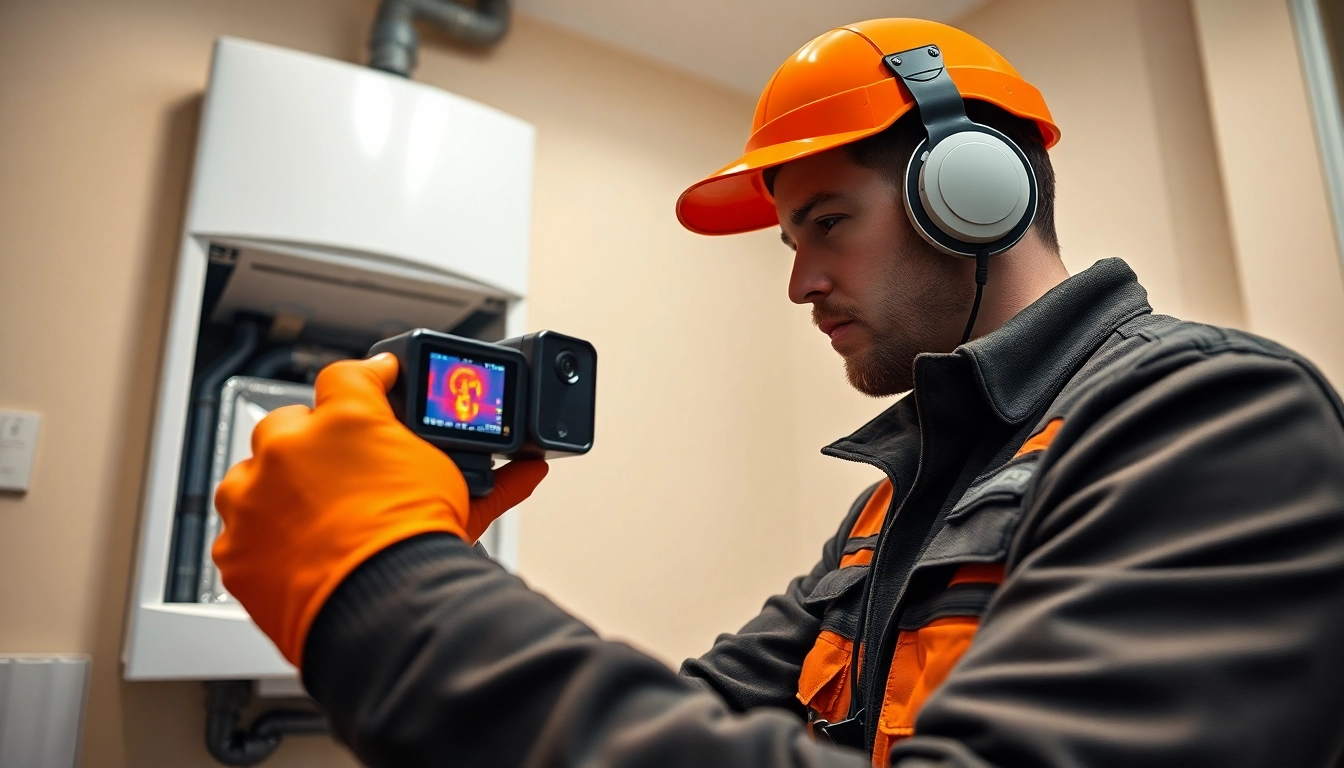
Modern leak detection techniques utilize advanced technology to identify issues that are not visible to the naked eye. For instance, thermal imaging cameras can detect temperature changes, and acoustic devices can pick up the sound of leaking water within walls. Utilizing these technologies can enhance the accuracy of leak detection.
Techniques for Effective Central Heating Leak Detection
Detecting leaks requires the use of specialized techniques to locate the source with minimal disruption to your home. Below are some of the most effective methods employed by leak detection specialists:
Non-Invasive Detection Methods Explained
Non-invasive methods are designed to uncover leaks without the need for destructive actions like cutting into walls. These techniques include:
- Moisture Mapping: This method involves using moisture meters to identify damp areas that could suggest a leak.
- Pressure Testing: This technique involves monitoring the pressure within the heating system to determine the integrity of pipes.
Using Thermal Imaging Cameras
Thermal imaging is one of the most effective leak detection methods available. By identifying temperature differences caused by water escaping from pipes, technicians can pinpoint leaks without having to dig or dismantle walls. This method is particularly useful in identifying hidden leaks in large or complex systems.
Acoustic Leak Detection Devices
Acoustic detection involves listening for sounds of escaping water. Leak detection specialists use sensitive microphones or acoustic devices to detect the sounds made by water leaking within pipes. This is particularly handy for detecting leaks in walls or underground pipes where visual inspection isn't possible.
Choosing the Right Leak Detection Service
Selecting a reliable leak detection service is critical for effective resolution of heating issues. Here are key considerations:
What to Look for in a Leak Detection Specialist
When evaluating leak detection services, consider the following:
- Certification: Ensure the technicians are certified and have extensive experience in leak detection.
- Insurance Coverage: A good service provider should have insurance to protect your property during the inspection process.
Comparing Costs and Services
Different companies may offer varying rates for their services. It’s important to compare what is included in these costs. Ensure that you understand any additional fees that may apply for follow-up services or repairs.
Evaluating Customer Reviews and Testimonials
Customer feedback is invaluable in assessing the quality of a leak detection service. Look for reviews on independent platforms to gauge past customer experiences and satisfaction levels. Positive testimonials often reflect a company’s reliability and professionalism.
Future Trends in Central Heating Leak Detection
The field of leak detection is constantly evolving. Here are some anticipated trends that could shape the future:
Innovative Technologies on the Horizon
Emerging technologies, such as drone inspections or robotic pipe inspections, could revolutionize how leaks are located in hard-to-reach areas.
Predictive Maintenance and Smart Home Integration
As smart home technologies become more prevalent, the integration of predictive maintenance systems will allow homeowners to receive alerts when their heating systems detect anomalies that may indicate leaks.
Environmental Considerations and Sustainability
There is a growing emphasis on sustainability, with leak detection methods evolving to include environmentally friendly practices and materials. This not only helps in conserving water but also reduces the overall carbon footprint associated with heating systems.