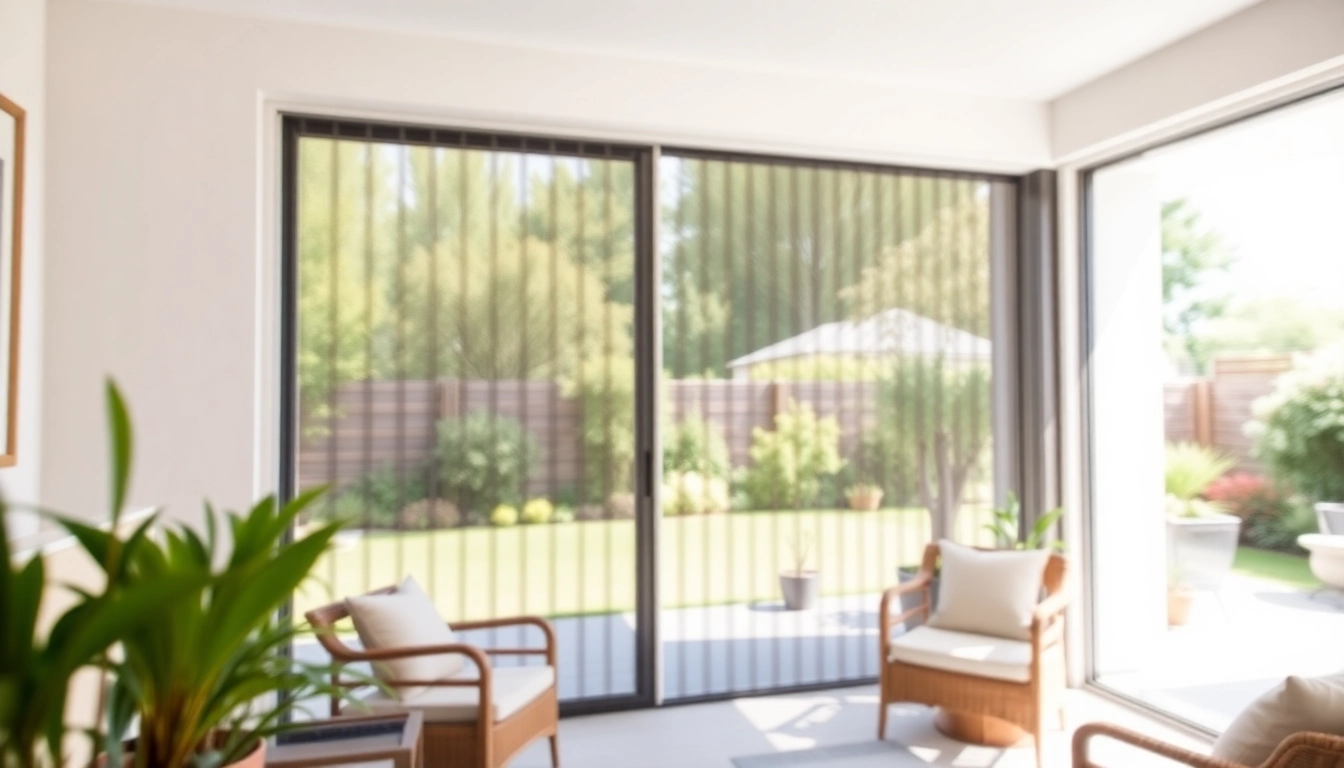
Understanding Fly Screen For Patio Doors
What Is A Fly Screen?
A fly screen is a type of mesh that is installed in windows and doors to prevent insects from entering indoor spaces while allowing fresh air to circulate freely. Specifically designed for patio doors, fly screens enable homeowners to enjoy the beauty of their outdoors without the hassle of pesky bugs. With various designs and materials available, these screens can be tailored to fit sliding or hinged doors, ensuring a seamless look that enhances the overall aesthetic of a home. For those looking to upgrade their living space, a fly screen for patio doors is an excellent solution.
Benefits Of Using Fly Screens
One of the primary benefits of equipping patio doors with fly screens lies in their ability to enhance home comfort. By allowing airflow while blocking insects, homeowners can enjoy a pleasant environment, especially during warm months. Additional benefits include:
- Energy Efficiency: By promoting natural ventilation, fly screens reduce the reliance on air conditioning, leading to lower energy bills.
- Health Protection: By keeping insects out, fly screens help prevent the potential transmission of diseases carried by pests.
- Enhanced Visibility: High-quality mesh provides a clear view of the surroundings, making them aesthetically pleasing while keeping outdoor views unobstructed.
- Easy Maintenance: Most fly screens are designed for easy cleaning, ensuring that their effectiveness doesn't diminish over time.
Types Of Fly Screens Available
There are several types of fly screens available for patio doors, catering to different needs and preferences. These include:
- Magnetic Fly Screens: These screens feature magnets at the center, allowing easy passage while ensuring they close automatically behind you.
- Retractable Fly Screens: These provide a versatile solution that can be retracted when not in use, maintaining an unobstructed view.
- Fixed Fly Screens: These screens are permanently installed and require more effort to take down for cleaning but offer the maximum level of protection.
- Sliding Pleated Fly Screens: Designed specifically for sliding doors, these screens collapse neatly, providing a sleek look and easy access.
Choosing The Right Fly Screen For Your Needs
Factors To Consider
Selecting the most suitable fly screen for patio doors involves careful consideration of several factors:
- Door Size: Ensuring the fly screen fits your door is crucial; improper sizing may lead to gaps where insects can enter.
- Style and Aesthetics: The design of the fly screen should blend with your home’s interior and exterior décor for a cohesive look.
- Ease of Use: Consider how often the door will be used and select a screen that will allow for convenience in daily operations.
- Material Durability: The material should withstand weather elements, ensuring longevity without compromising on performance.
Measuring Your Patio Doors
Accurate measurements are critical to ensure a perfect fit for your fly screen. Start by measuring the width and height of the door frame. Here are the steps:
- Use a measuring tape to find the width of the opening at the top, middle, and bottom of the door frame.
- Record the smallest width, as this should be used for the fly screen.
- Measure the height from the top of the frame down to the floor at both ends of the door. Again, use the smallest measurement.
- Note any obstructions such as handles or locks, which may affect the fitting of the fly screen.
Choosing Materials And Colors
The material and color of the fly screen play a significant role in its functionality and appearance. Common materials include:
- Fiberglass: Lightweight and resistant to rust and corrosion; it offers a good balance between durability and visibility.
- Aluminum: Highly durable and long-lasting; it may be slightly heavier but offers a modern aesthetic with better resistance to weather.
- Stainless Steel: More expensive but resistant to damage and rust, ideal for coastal areas where moisture is prevalent.
In terms of color, opt for shades that complement your property's existing color scheme to provide a cohesive and appealing look.
Installation Process For Fly Screens
Tools Required
Installing a fly screen for patio doors is a straightforward task that can often be accomplished with basic tools. Gather the following tools before beginning:
- Measuring tape
- Level
- Screwdriver
- Utility knife
- Drill and drill bits
- Adhesive (if applicable)
- Safety goggles
Step-By-Step Installation Guide
Follow these steps for a successful installation:
- Prepare the Area: Clean the door frame and surroundings of any dust or debris.
- Measure and Mark: Use the level to ensure where the fly screen will attach; mark with a pencil for accuracy.
- Attach the Screen Frame: Begin by fixing the top part of the frame with screws or adhesive, ensuring it is aligned with the markings.
- Fix the Side Panels: Attach the side panels, making sure they fit snugly against the edges.
- Secure the Bottom Frame: Ensure the bottom frame is securely in place and aligns with the previous parts.
- Test the Functionality: Open and close the fly screen to ensure it operates smoothly without any resistance.
Common Installation Mistakes
To ensure a successful installation, avoid these common pitfalls:
- Inaccurate Measurements: Always double-check measurements to prevent gaps between the screen and the door frame.
- Ignoring Manufacturer Instructions: Different fly screens may have unique installation steps; follow the manufacturer's guide closely.
- Forgetting to Level: Ensure all components are level during installation to prevent issues with opening and closing.
- Improper Cleaning: Not clearing the frame of dust can affect the adhesion and fitting of the fly screen.
Maintenance Tips For Longevity
Cleaning Your Fly Screen
Regular cleaning is essential to maintain the clarity and function of your fly screen. Here are simple steps to follow:
- Remove the fly screen from the door frame carefully, following your specific screen’s removal process.
- Use a vacuum with a brush attachment to remove dust and debris.
- Wipe the mesh with a damp cloth using mild soap; avoid abrasive materials that could damage the mesh.
- Rinse with clean water and dry before reinstalling.
Checking For Damage
Regular inspections are crucial. Look for signs of wear and tear, such as:
- Tears or holes in the mesh
- Loose or damaged frames
- Any bending or misalignment of the installation
Address issues promptly to avoid further damage or ineffective bug prevention.
Replacement Options
If you find that your fly screen is damaged beyond repair, replacing it is a straightforward process. Research different types and materials that fit your needs and ensure compatibility with your existing framework. Custom solutions are available for unique dimensions.
FAQs About Fly Screen For Patio Doors
How Do Fly Screens Improve Home Comfort?
Fly screens increase airflow while blocking insects, helping to maintain a pleasant and healthy indoor environment. They allow you to enjoy fresh air without the nuisance of pests.
Can I Install A Fly Screen Myself?
Yes, installing a fly screen can typically be done by homeowners with basic DIY skills. Following the manufacturer's instructions will make the process smoother and more efficient.
What Maintenance Is Required?
Regular cleaning and inspections are essential to maintain the clarity and functionality of your fly screen. Check for damages and clean gently with mild soap and water.
Are Fly Screens Reusable?
Yes, fly screens are reusable. They can be removed for cleaning or when not in use and reinstalled as needed without loss of function or clarity.
How Do I Choose The Right Size?
Measure the height and width of your patio door frame accurately, ensuring to account for any obstructions. Use the smallest measurement to ensure a perfect fit.